Shampoo for hair loss: what it can and cannot do
A shampoo works on the scalp, not inside the follicle. That still matters more than most people think - here is what to look for.
Start with the honest limit: a shampoo is on your head for about a minute and then it goes down the drain. It cannot reach inside a follicle and it cannot change the hormone that shrinks one. What it can do is stop making things worse, and that is not nothing.
So can it reduce shedding?
Partly, and indirectly. A lot of what people count as hair loss in the shower is breakage - strands snapping rather than follicles giving up. A gentler wash keeps the scalp calm and the shaft intact, so less comes away in your hands. What it will not do is regrow hair that has already stopped growing.
What to look for on the label
- Mild cleansers rather than harsh sulphates, which strip a scalp that is already dry.
- Soothing actives - panthenol, niacinamide, plant extracts - for the itch and redness.
- Botanicals associated with scalp support, such as saw palmetto and caffeine.
- Not much silicone, which builds up and flattens fine hair.
How often to wash thinning hair
Three or four times a week with a gentle shampoo suits most people. Washing daily with something harsh starts a loop: the scalp is stripped, it overproduces oil to compensate, you wash again because it feels greasy. Breaking that loop is half the job.
After a transplant
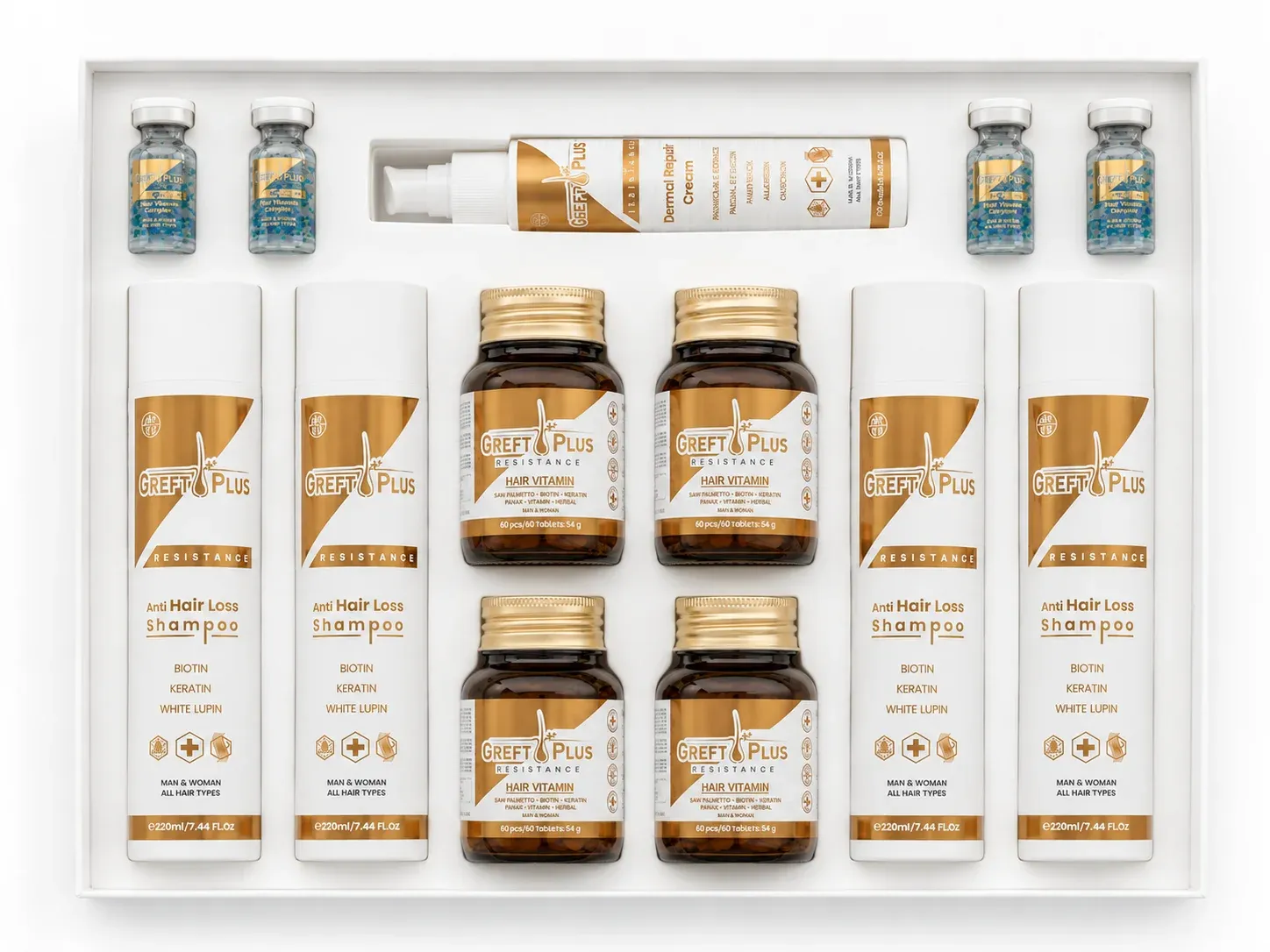
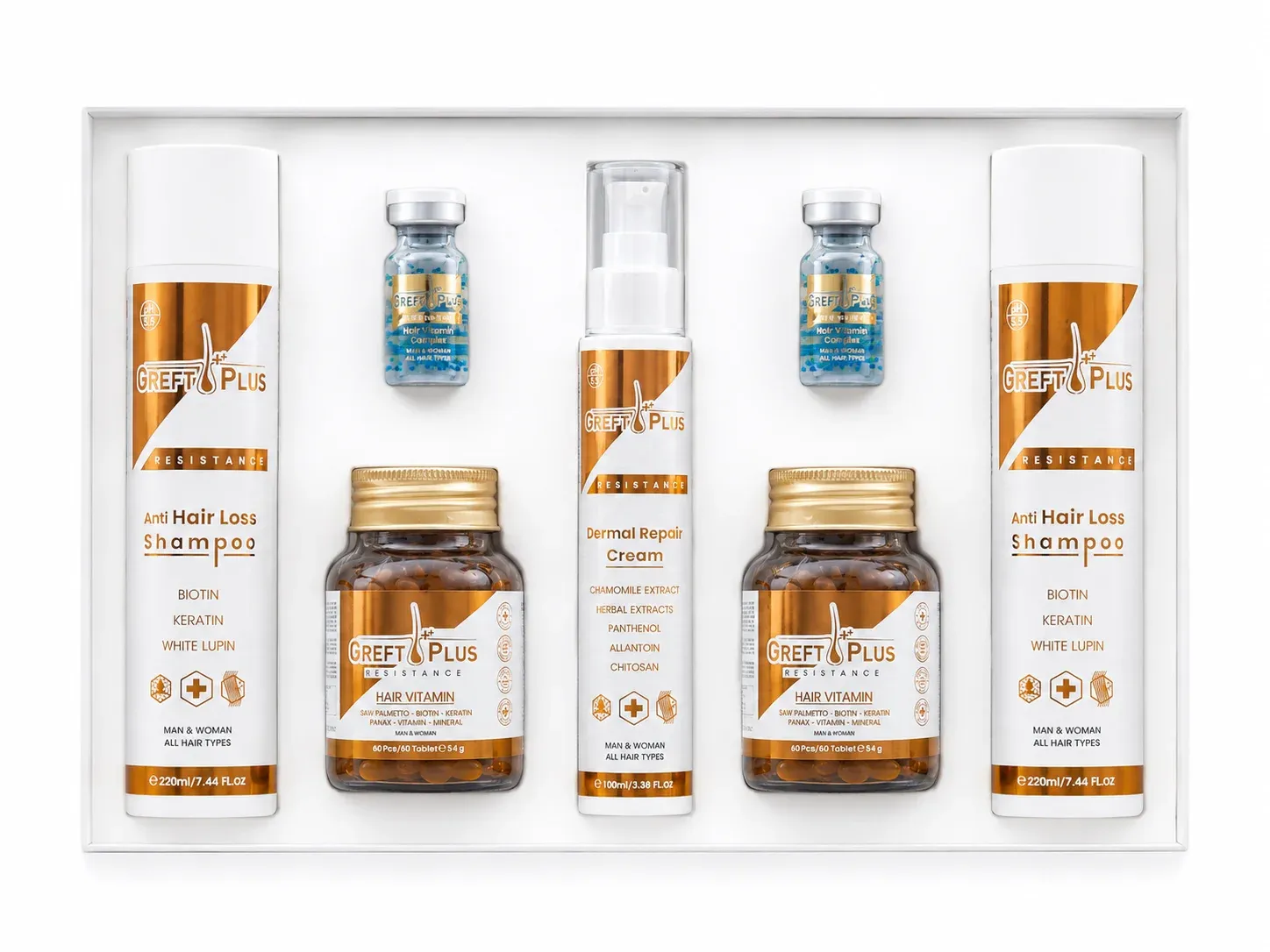
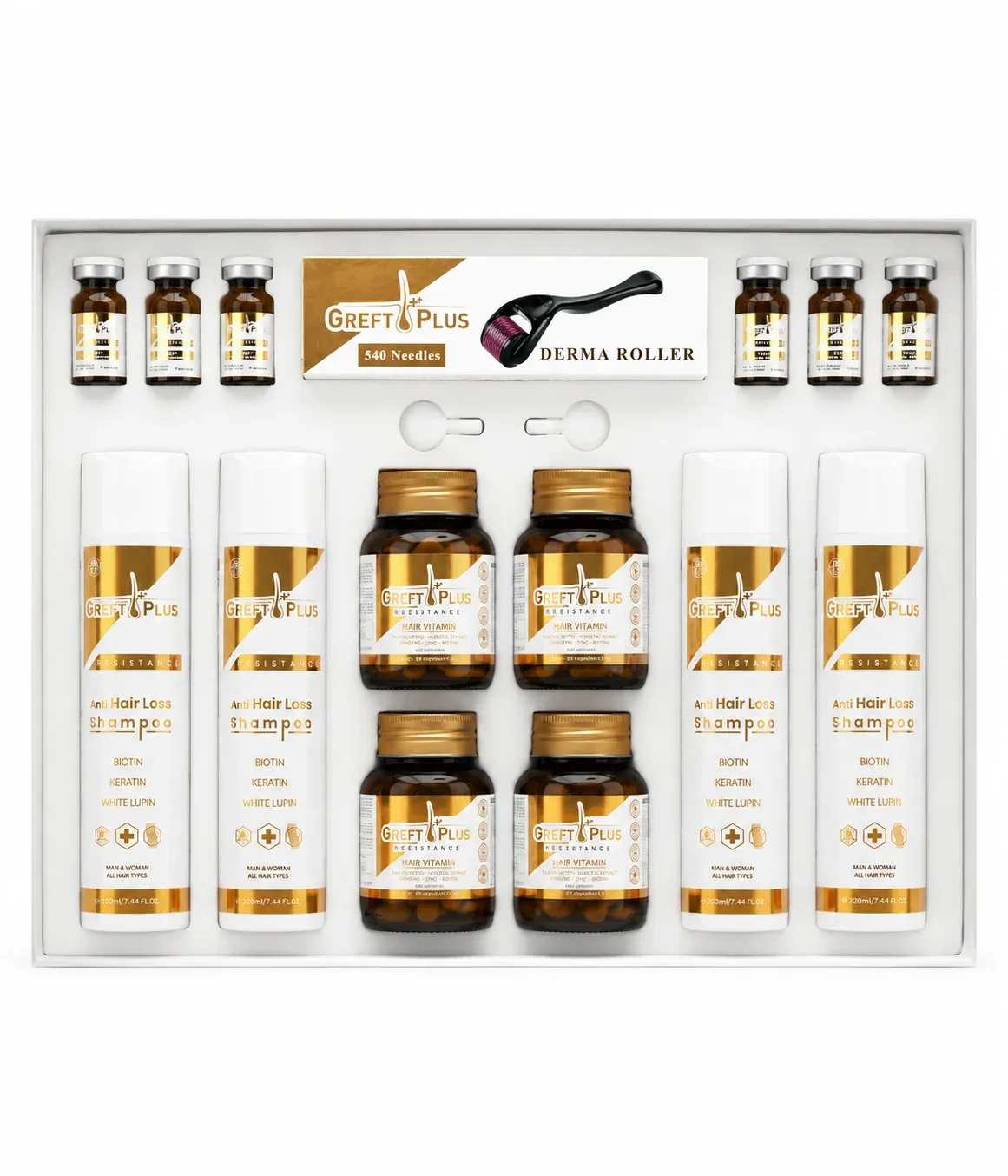
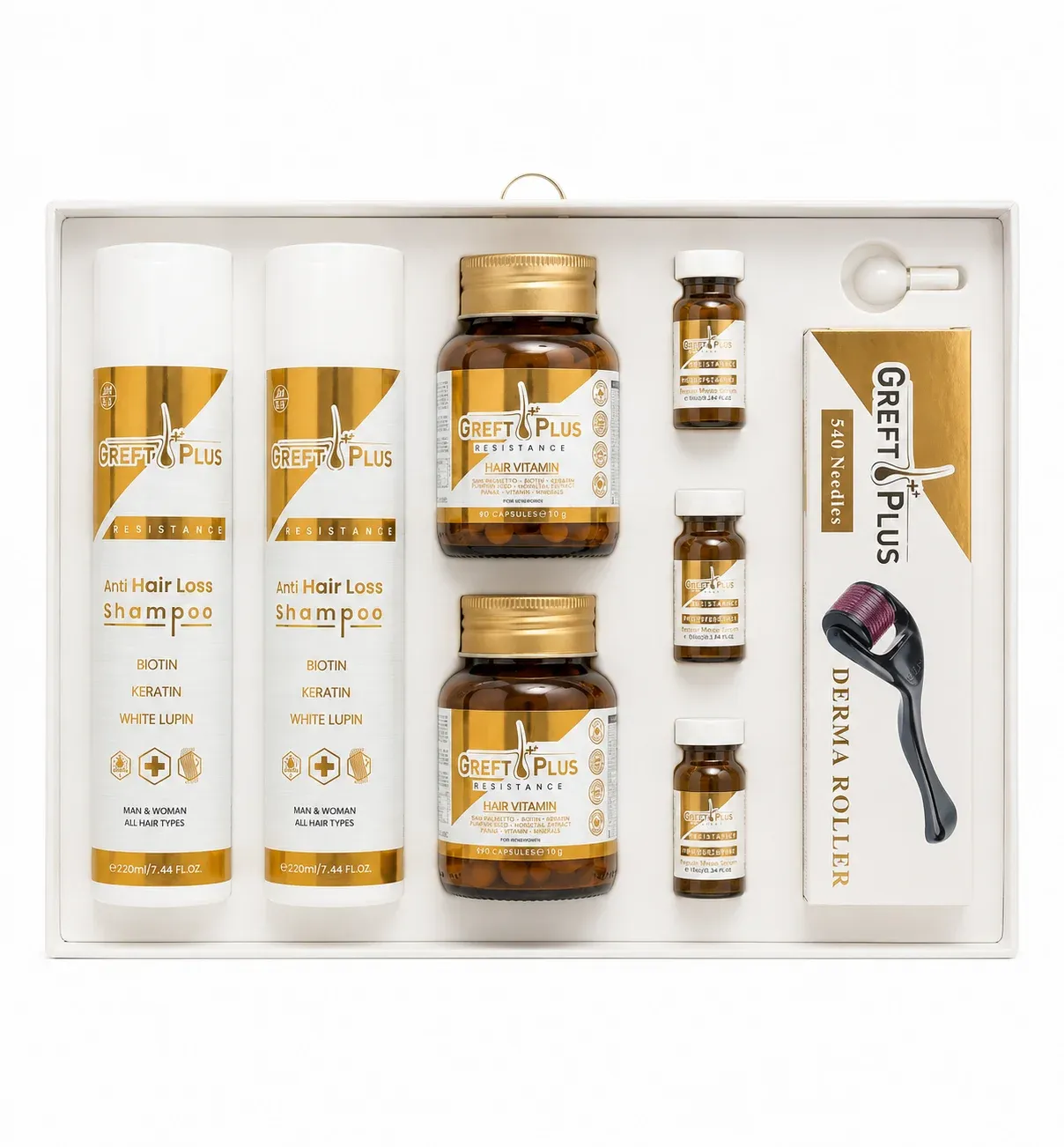
Wait until your clinic clears normal washing - usually around two weeks. Before that, the foam products in the aftercare kit are the right tool. Afterwards a strengthening shampoo looks after the transplanted hair and the hair around it, which still has its own thinning to worry about.
Where it fits
Shampoo is the floor of the routine, not the whole house. It cleans the ground so that whatever you leave on the scalp afterwards - a serum, a spray - is not sitting on a layer of oil and dead skin. Internal nutrition is the third leg. Any one of them alone is a thin plan.