DHT shampoo: does it really slow hair loss?
What DHT actually does to a follicle, what a shampoo can realistically reach, and where the line between the two sits.
DHT - dihydrotestosterone - is a hormone made from testosterone. In people whose follicles are genetically sensitive to it, it gradually shrinks those follicles: each cycle produces a finer, shorter hair until some stop producing altogether. That sensitivity is inherited. It is not caused by hats, hair gel or washing too often.
What a DHT shampoo actually does
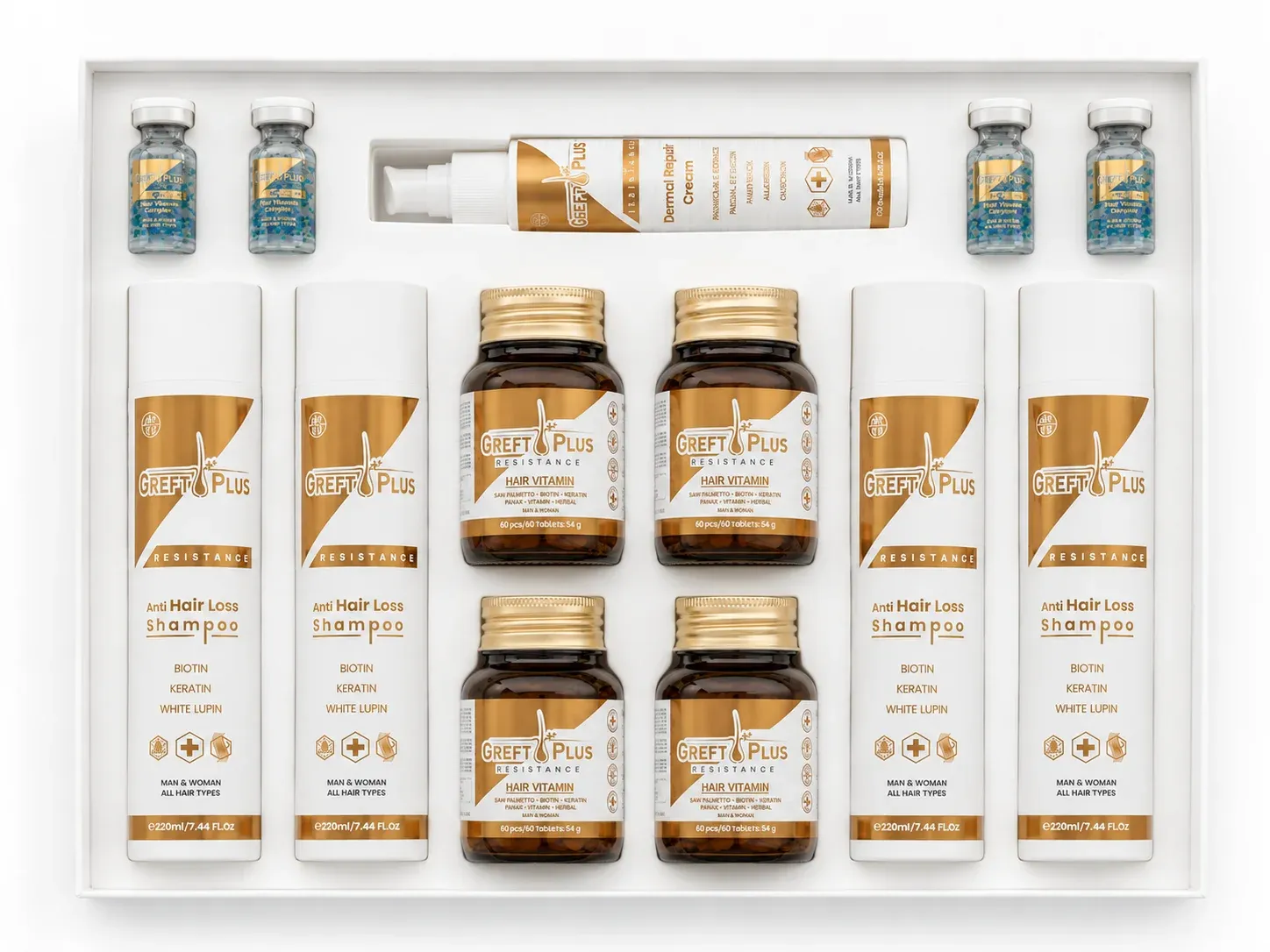
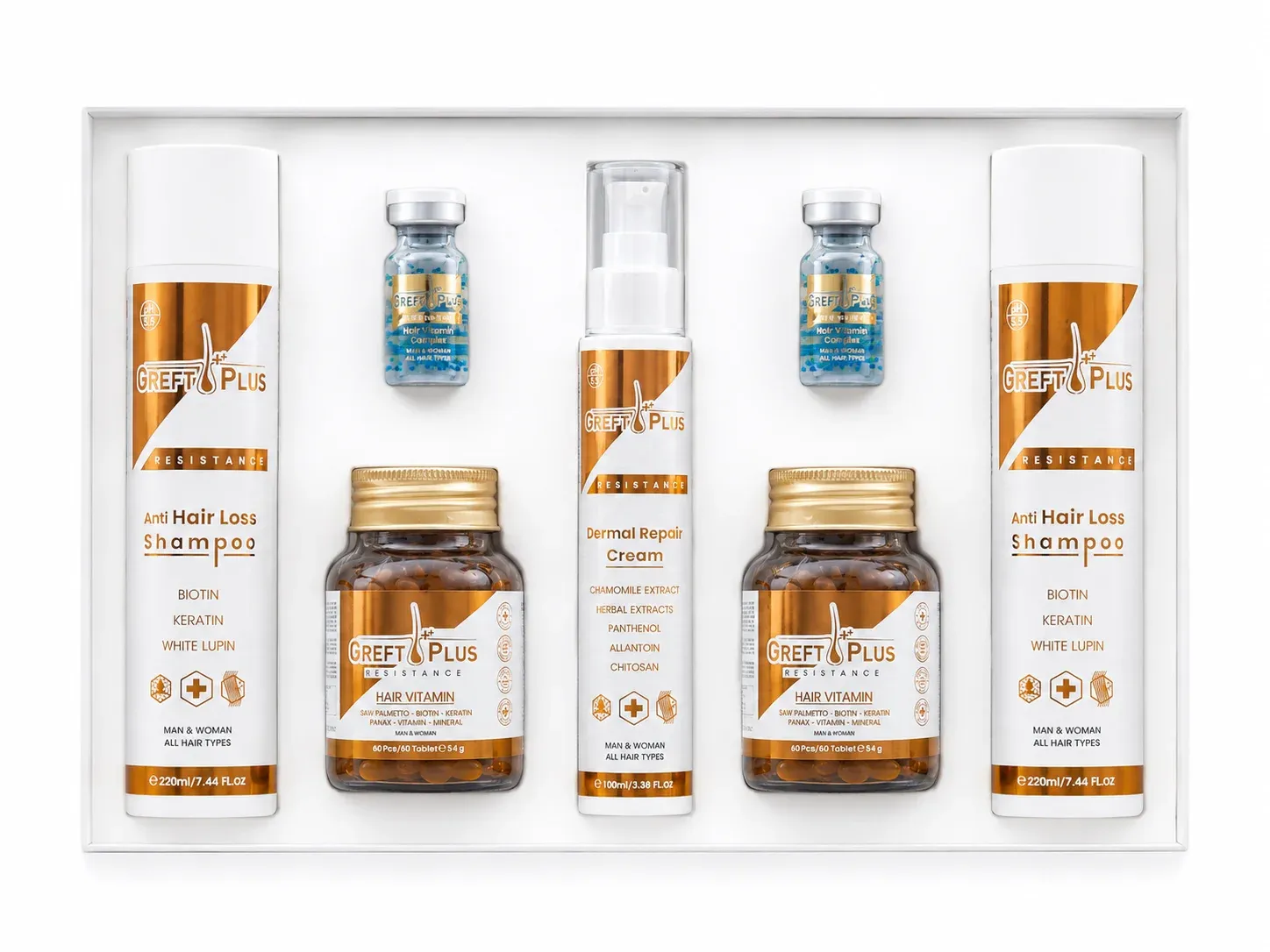
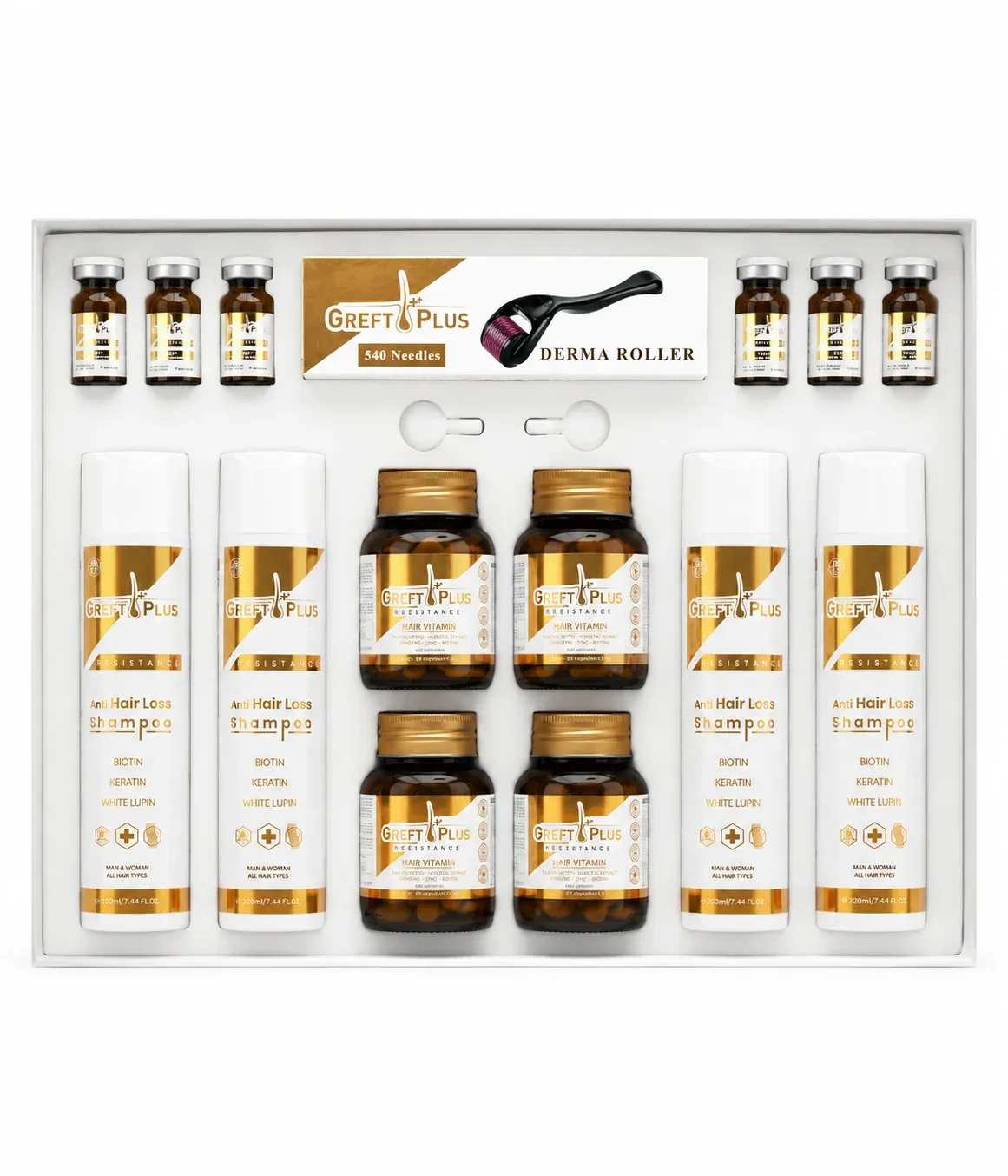
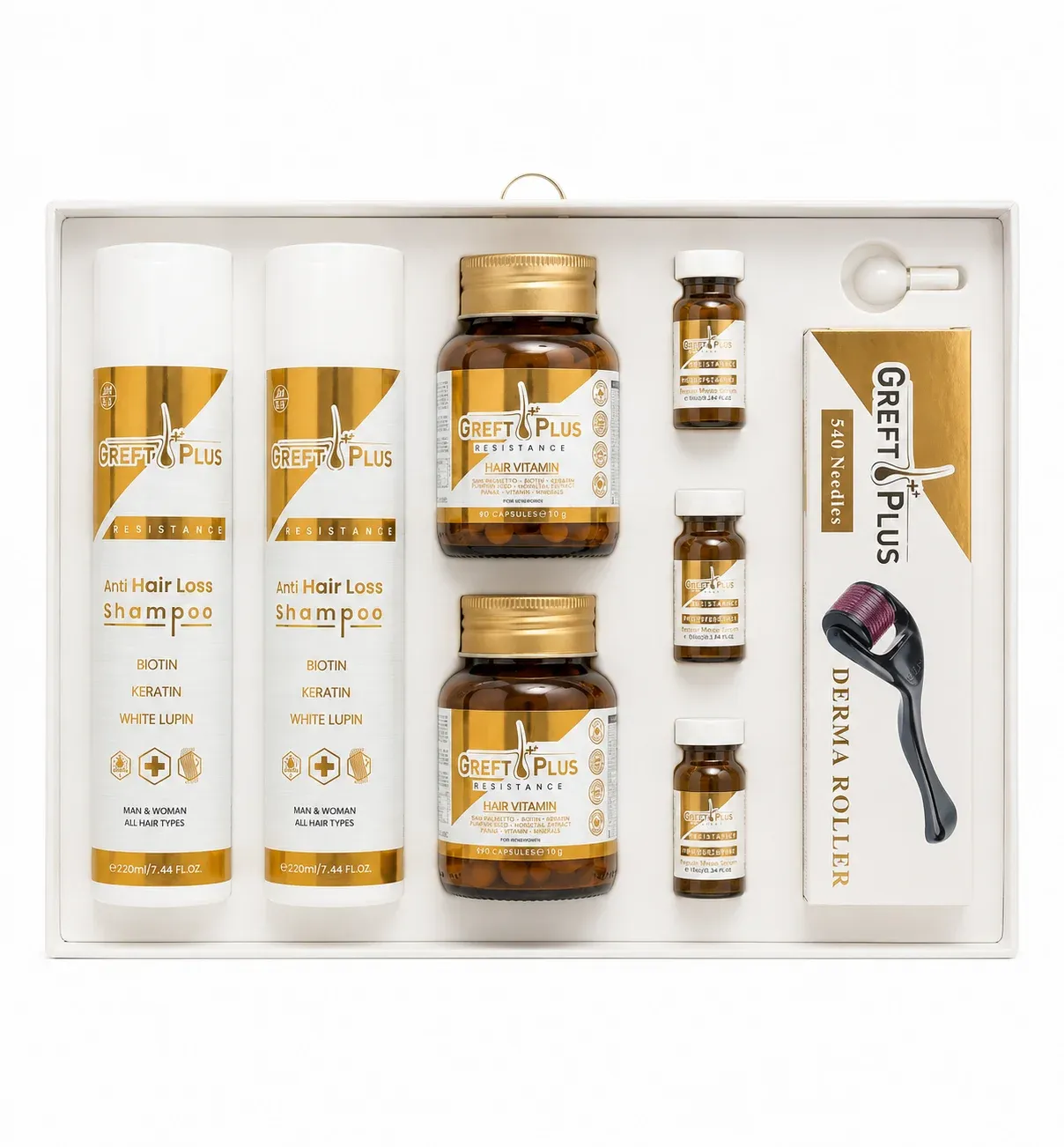
Ingredients like saw palmetto and ketoconazole appear in this category with modest supporting evidence. Modest is the right word. A shampoo is not a hormone blocker and no honest label will claim it is.
- Clears the oil, product build-up and flakes that block the follicle opening.
- Calms inflammation, which is a real and often ignored part of the picture.
- Improves how the hair looks and behaves day to day.
- Leaves a clean scalp, so anything applied afterwards is not fighting through a film.
Can a shampoo alone stop pattern hair loss?
No. Pattern loss is progressive and driven by biology, and a wash-off product cannot override that on its own. Anyone who tells you otherwise is selling you something. What a good shampoo does is remove the avoidable damage and support everything else you are doing.
Using it sensibly
- Layer it: shampoo plus a leave-on serum or spray plus decent nutrition.
- Give it three to six months before you judge anything. Hair grows about a centimetre a month.
- Use it consistently. Twice a week for a fortnight then forgetting about it proves nothing.
- If the loss is clearly progressing, see a doctor. Prescription options exist, they work on the hormone directly, and a shampoo is not a substitute for that conversation.