Scalp health, and why it decides how your hair looks
A healthy scalp is one you never think about. Here is what quietly damages it, and the routine that keeps it calm.
Hair is dead protein by the time you can see it. Everything that decides its quality happens at the root, in skin that most people only pay attention to once it starts itching.
What a healthy scalp is like
In other words: you do not notice it. That is the whole standard.
- No persistent itching, flaking, tenderness or tightness.
- An even skin tone, not red or blotchy at the parting.
- No oily film within hours of washing.
- Only a few hairs come away when you run your fingers through.
Habits that quietly damage it
- Water that is too hot, which strips the oils that protect the skin.
- A harsh sulphate shampoo used daily on a scalp that is already dry.
- Going too long between washes, so oil and dead skin build up around the follicle opening.
- Tight styles that keep constant tension on the roots.
- Scratching instead of treating whatever is causing the itch.
- Heavy leave-in products that never fully rinse out.
After a transplant it matters more
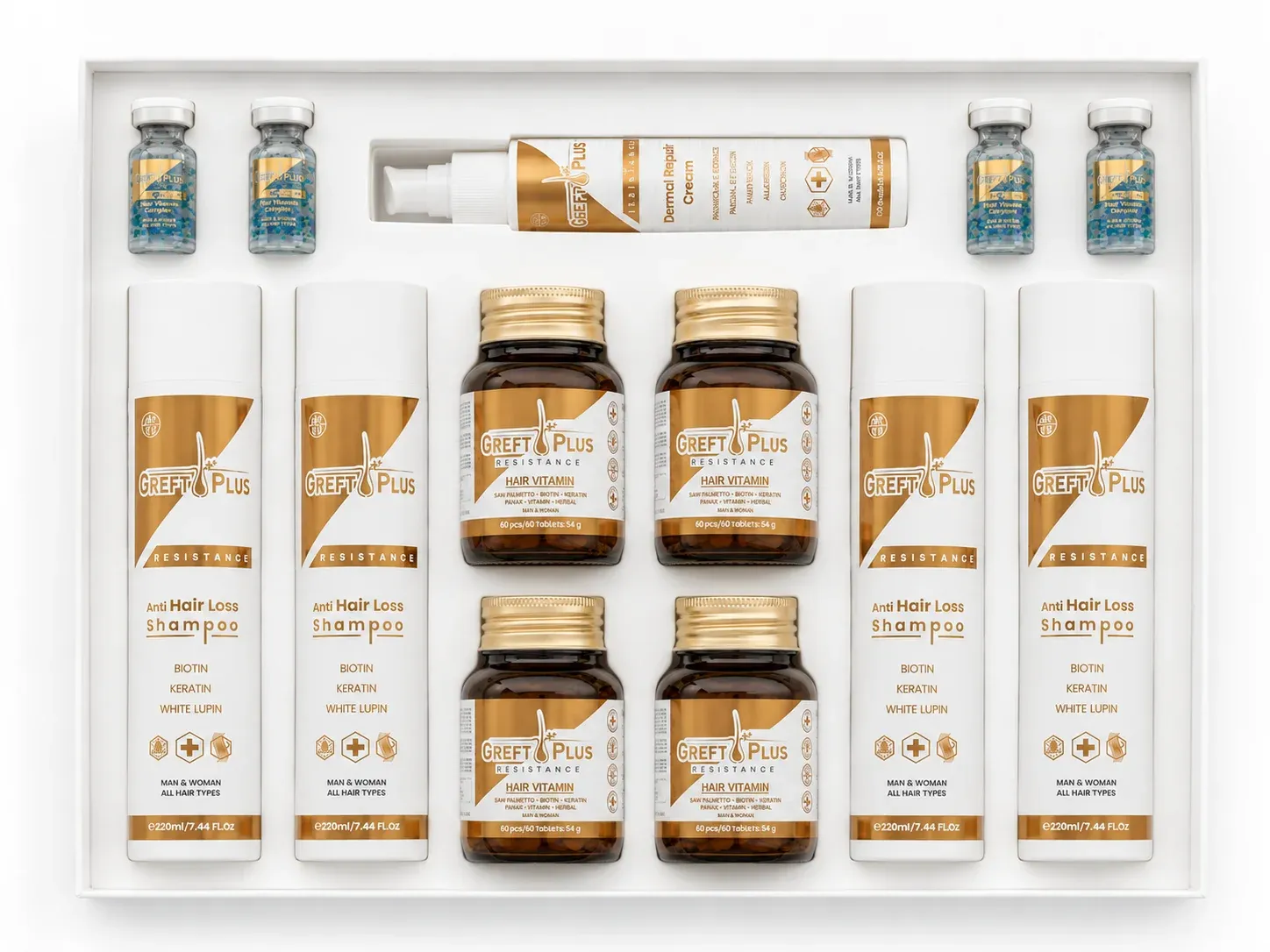
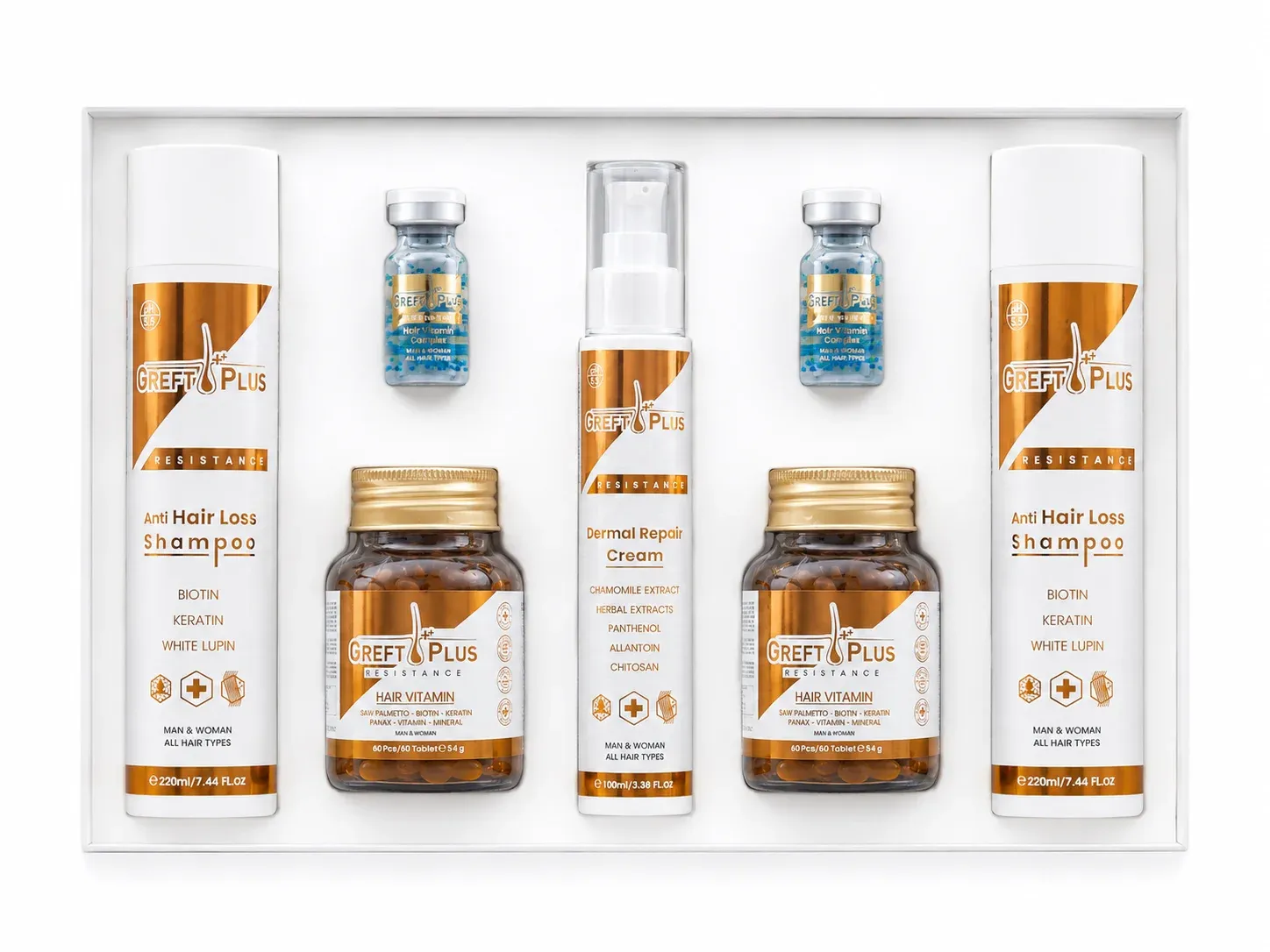
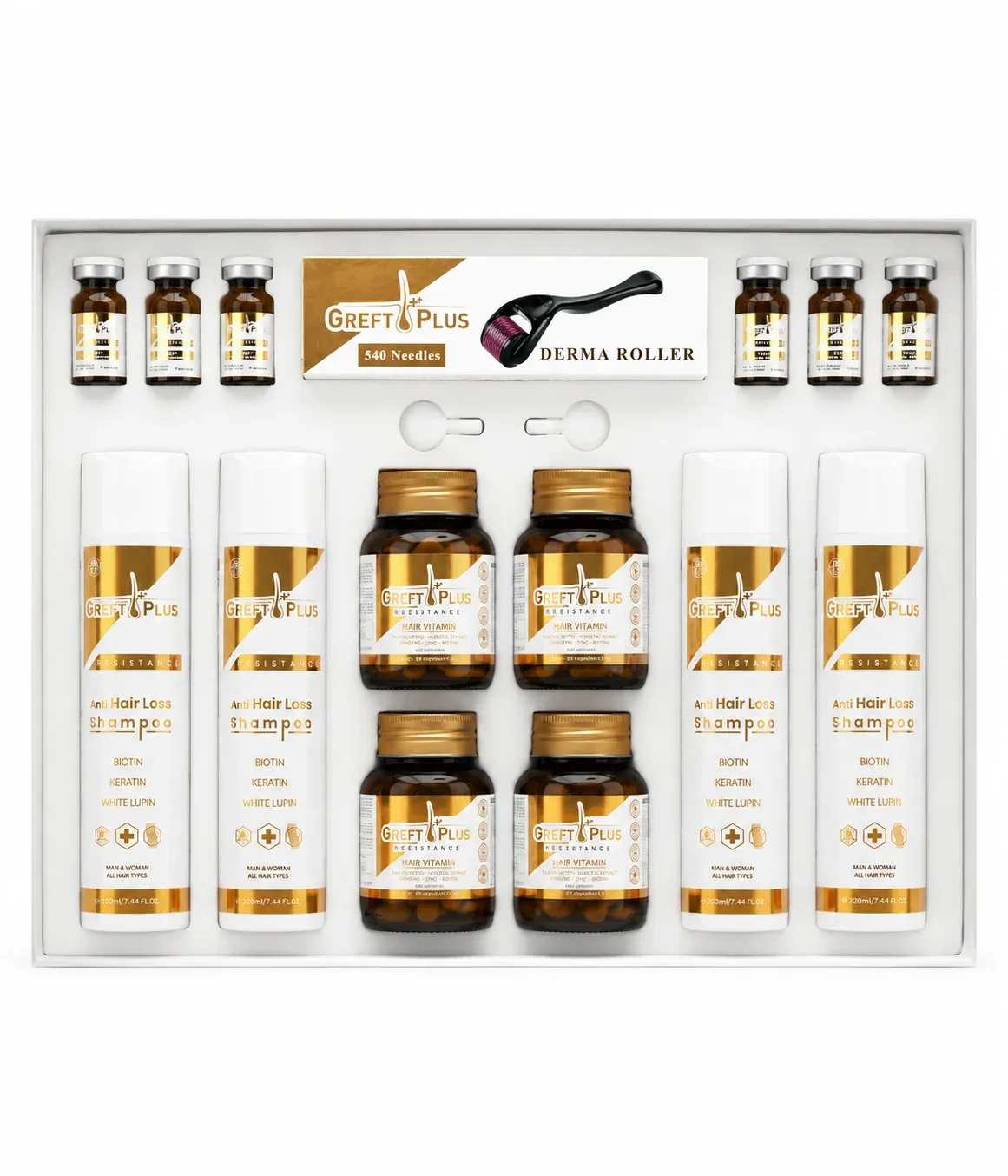
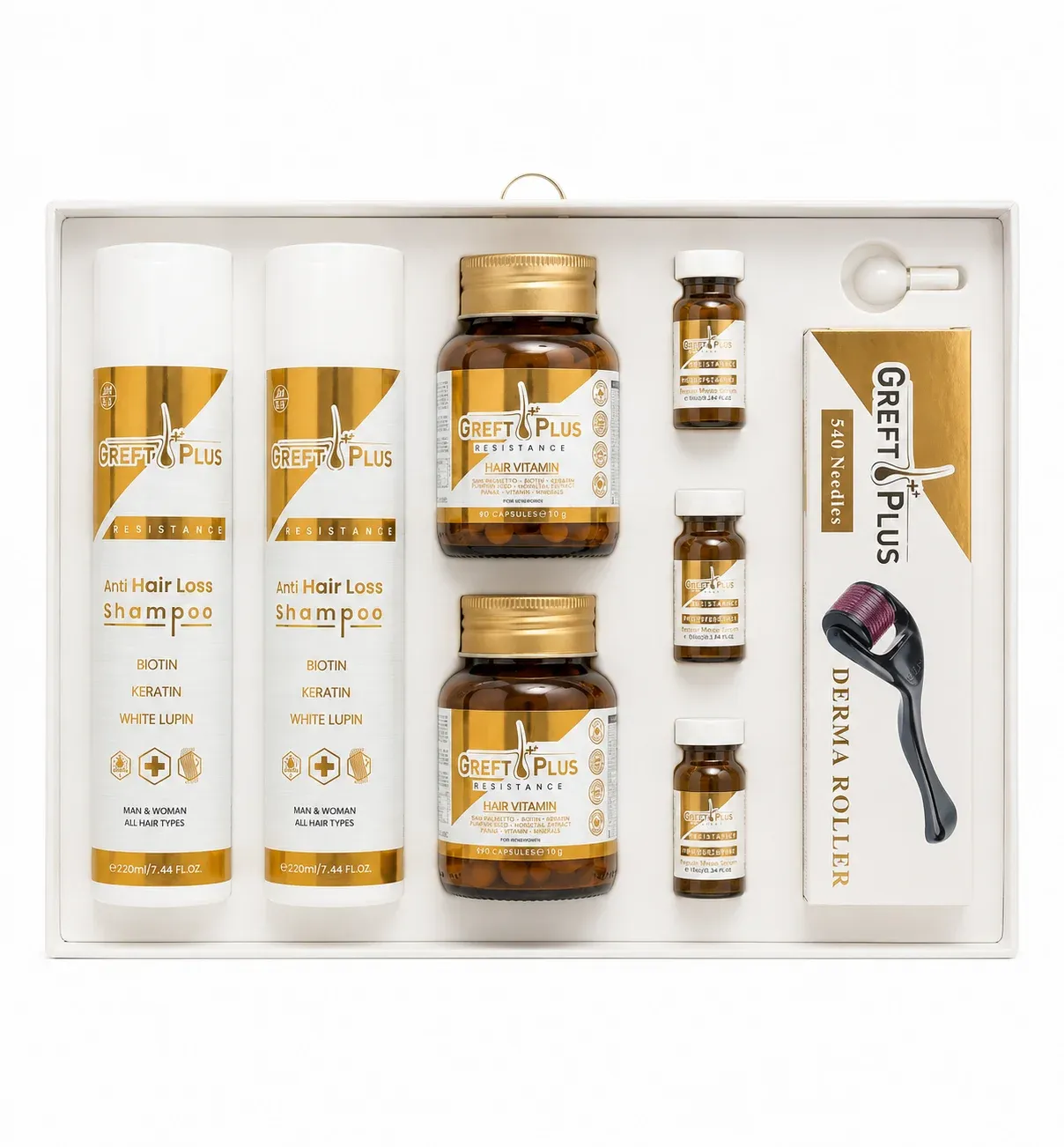
A transplanted scalp is recovering from hundreds of small wounds. The skin is sensitive and prone to flaking for weeks. Keeping it moisturised and calm is part of giving the new follicles a settled place to establish themselves - which is exactly why scalp creams exist in post-operative kits.
A routine that is enough
- Lukewarm water and a gentle shampoo, three to four times a week.
- Fingertips, not nails, for about a minute.
- Rinse properly. Most residue problems are actually rinsing problems.
- Press dry rather than rubbing.
- Keep leave-in products light and meant for the scalp.
Diet, and when to stop guessing
The scalp draws on iron, zinc, vitamin D and the B vitamins. A reasonable diet covers most people; a supplement fills a gap, it does not stack a benefit on top of enough.
Persistent flaking, painful spots, sudden shedding or a patch that is getting bigger are all reasons to see a dermatologist. Conditions like seborrhoeic dermatitis have proper treatments, and no cosmetic routine substitutes for one.