The first 30 days after a hair transplant
What happens week by week, when you can wash normally again, and the handful of mistakes that actually matter.
The first month after a transplant is the part people worry about most and understand least. The grafts are placed, the hard part is over, and then you are sent home with a leaflet and a lot of uncertainty. This is a general guide to what that month usually looks like. Your clinic's instructions come first every time - they operated on you, and they know what they did.
Days 1-3: leave it alone
The grafts are not yet anchored. Everything in these three days is about not disturbing them: no touching, no scratching, no hats that grip, and sleeping propped up at roughly 45 degrees to limit swelling. Swelling around the forehead and eyes is normal and usually peaks around day three.
Most clinics do the first wash themselves or schedule it for around day three. Do not improvise an early wash to feel clean.
Days 3-10: washing without pressure
This is where foam products earn their place. The goal is to soften and lift the crusts that form around each graft without rubbing, because rubbing is what dislodges grafts. A foam lotion is applied, left to soften the crusts, then rinsed with low-pressure lukewarm water - poured from a cup rather than blasted from a shower head.
Crusts usually clear between day 7 and day 12. If they are still firmly attached after two weeks, ask your clinic rather than picking at them.
Days 10-30: back to something normal
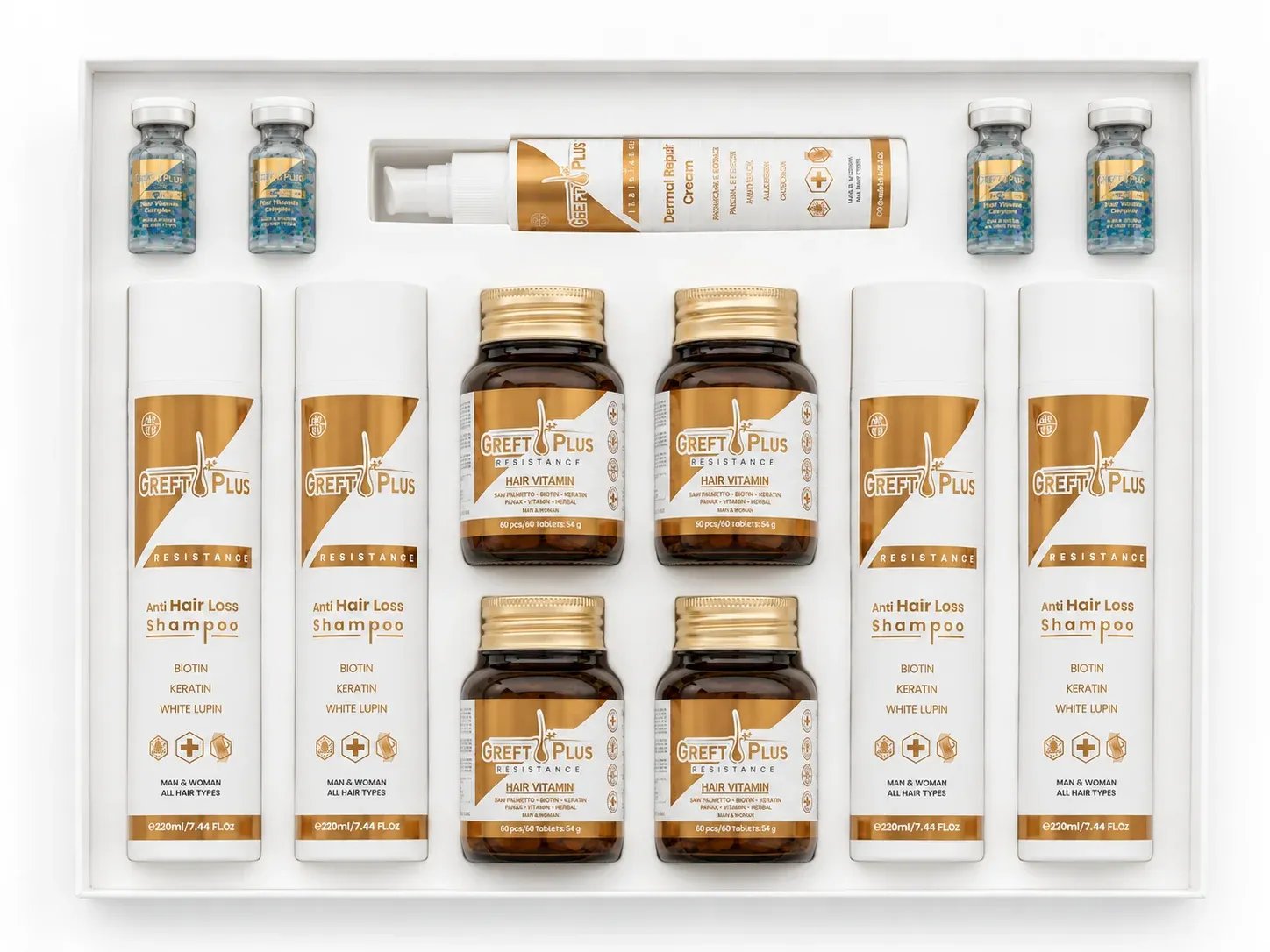
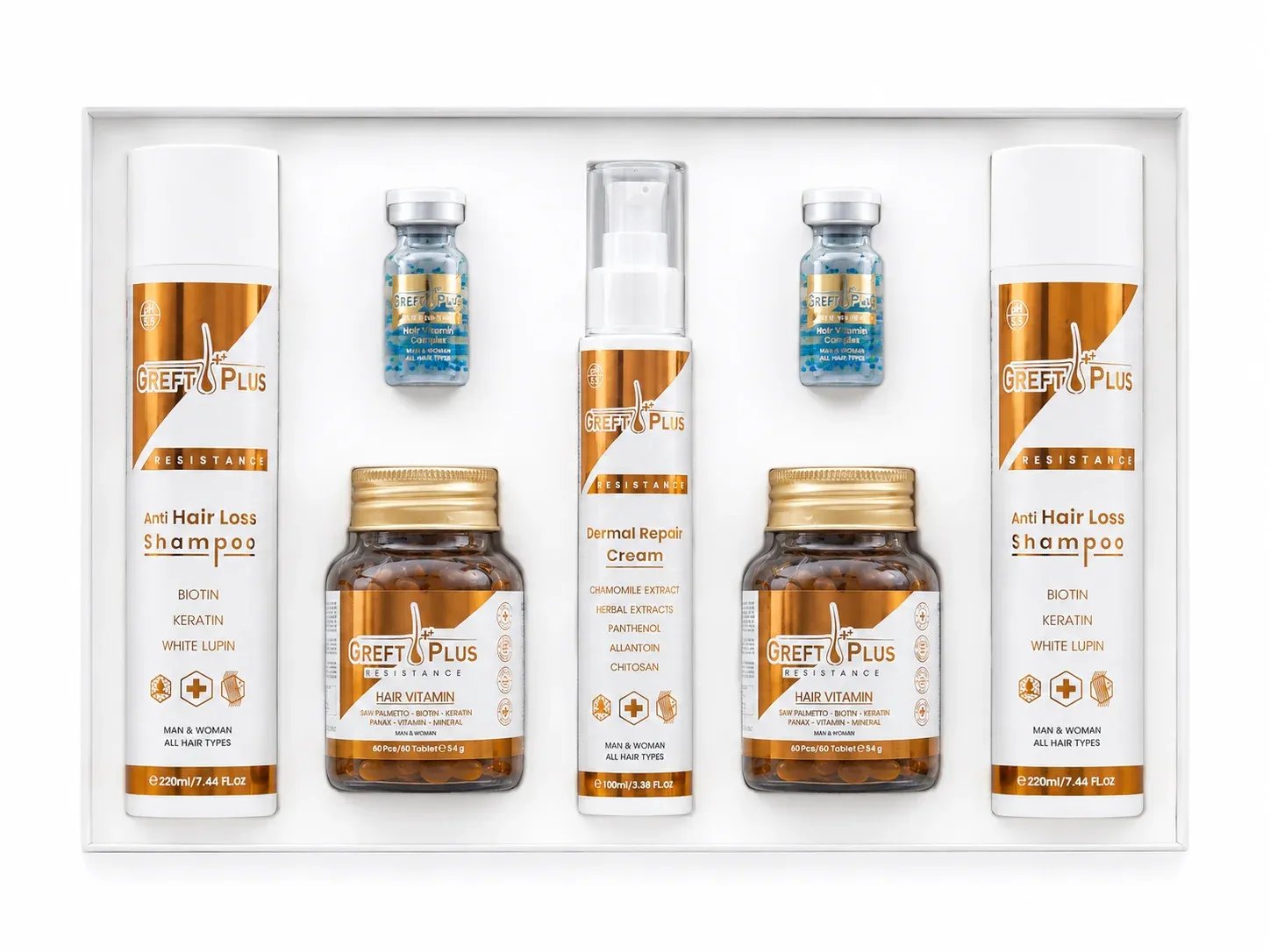
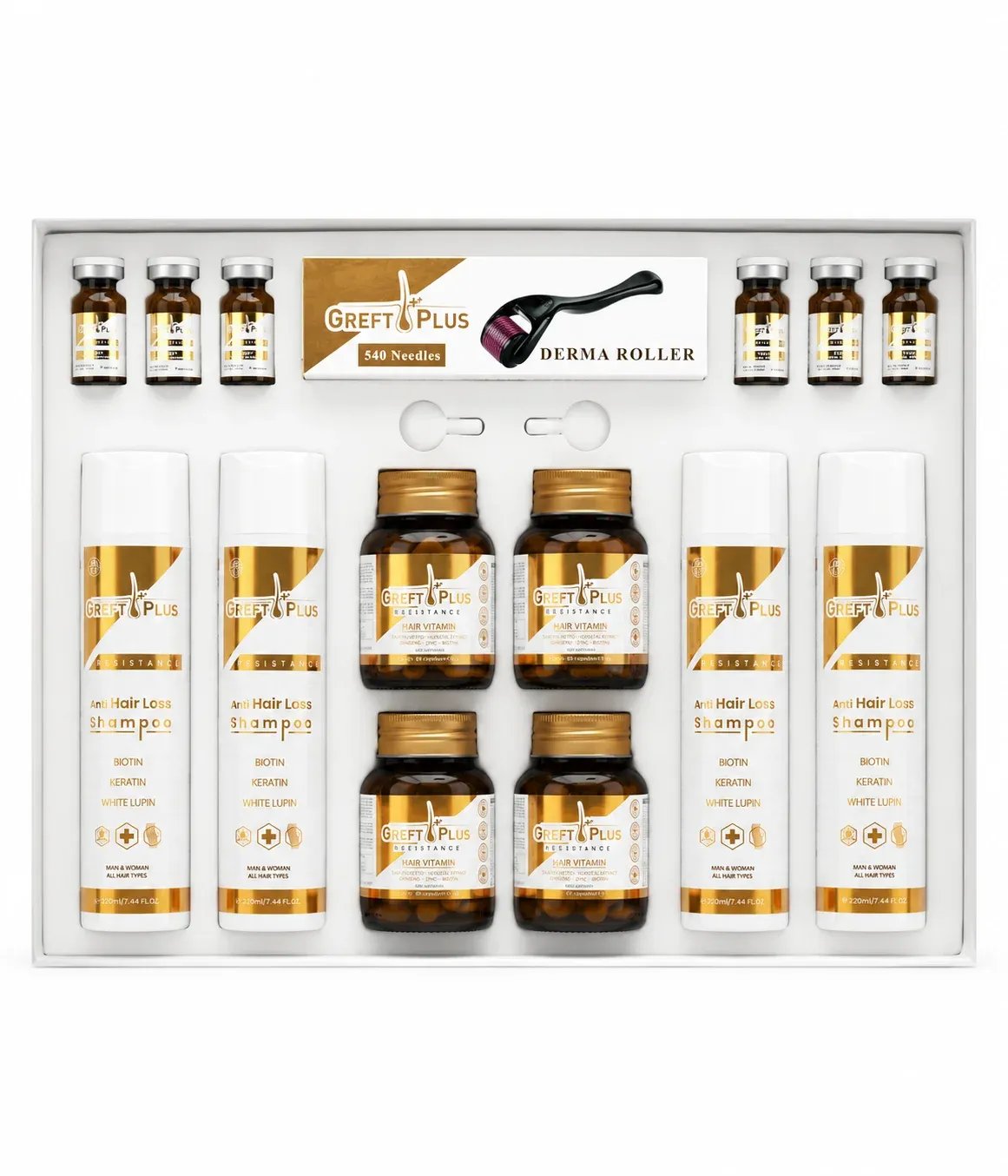
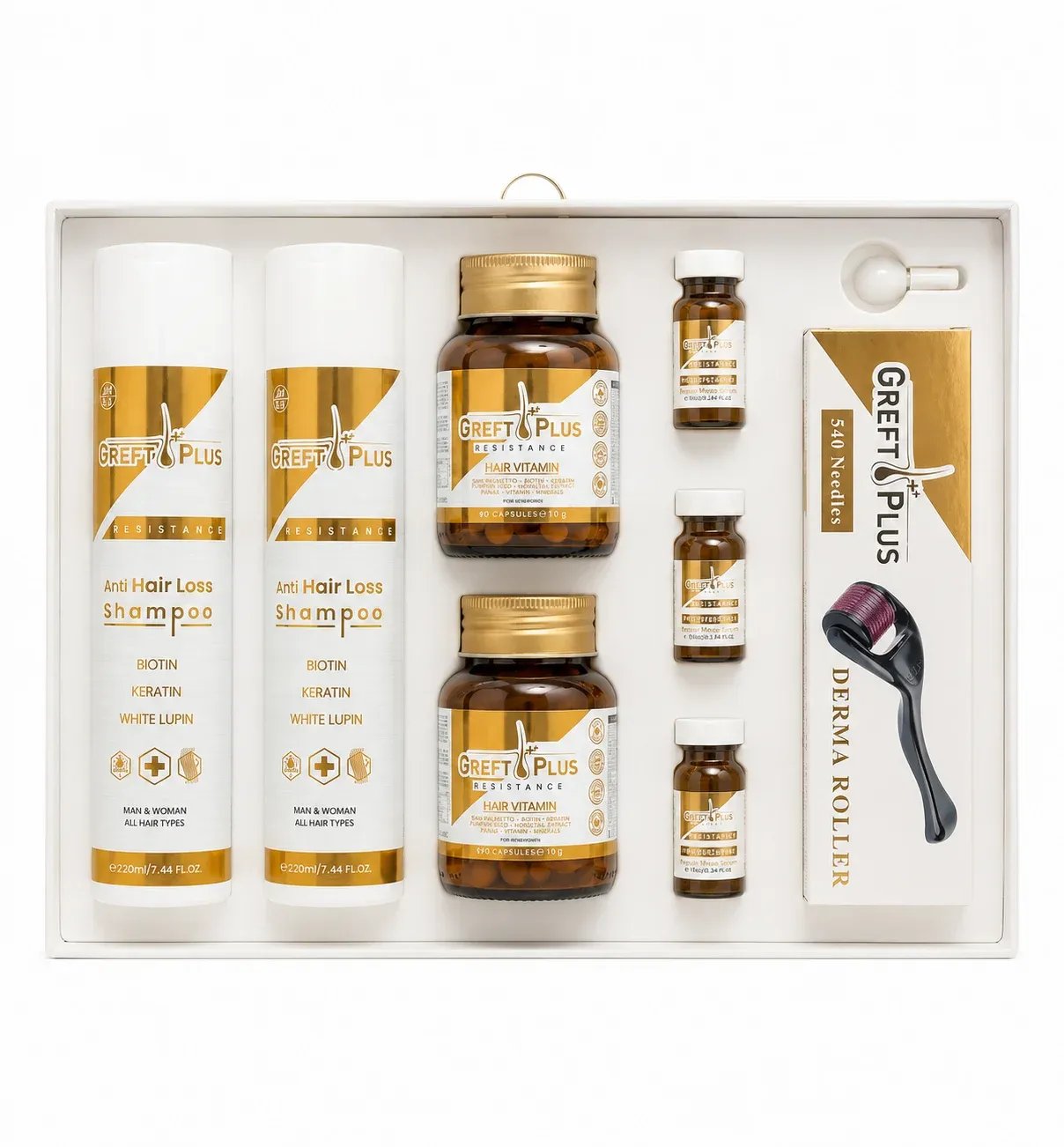
By around day 10 to 14 most people are cleared to wash more normally and to use a regular gentle shampoo. This is also roughly when supplements are typically started - the Greft Plus hair vitamin is recommended from about day 15, though again, your clinic's timing wins.
What you should not do yet: swimming pools, saunas, direct sun on the scalp for long periods, and anything that involves a helmet or tight cap. Heavy exercise usually waits two to four weeks.
The mistakes that actually matter
- Rubbing or scrubbing to remove crusts. This is the one that costs grafts.
- High-pressure water directly on the recipient area in the first week.
- Picking at scabs because they itch. Itching is normal healing; picking is not.
- Smoking, which restricts blood flow to healing tissue at exactly the wrong time.
- Starting a derma roller early. It has a place later, not now, and not without clearance.
When to call your clinic
Spreading redness, heat around the grafts, pus, a fever, or pain that gets worse rather than better after the first few days are not things to research online. Those are signs to phone the people who did the surgery, the same day.