Hair vitamins: what they do and what they don't
An honest look at biotin, zinc, iron and the rest - where supplements genuinely help, and where the marketing runs ahead of the evidence.
Hair supplements are sold with a lot of confidence and not always a lot of nuance. The honest version is narrower than the advertising but not nothing: nutrition can limit hair growth, and correcting a limitation helps. Adding more of a nutrient you already have enough of does not.
The deficiency principle
Hair follicles are among the most metabolically demanding tissues in the body, and they are not a survival priority. When something is scarce, the body allocates it elsewhere first, and hair growth is one of the earliest things to suffer. That is why deficiency shows up in hair before it shows up almost anywhere else.
It is also why the logic only runs one way. If iron is low, correcting it can restore normal growth. If iron is already normal, more iron does not produce better-than-normal hair - and iron in particular is genuinely harmful in excess.
What the common ingredients actually do
- Biotin: essential for keratin production. Real deficiency causes hair loss, but it is rare in people eating a normal diet. Supplementing an adequate level has little evidence behind it.
- Zinc: involved in follicle function and tissue repair. Deficiency is more common than biotin deficiency, particularly with restricted diets.
- Iron: low ferritin is one of the best-documented nutritional causes of hair shedding, especially in women. Worth testing rather than guessing.
- Vitamin D: widely deficient in populations with limited sun exposure and linked to hair cycling.
- Saw palmetto: a botanical with some small studies in androgenic hair loss. Not equivalent to prescription medication.
- Keratin and collagen taken orally: digested into amino acids like any other protein. Useful as protein, not as a direct delivery of keratin to the hair.
After a transplant specifically
The post-transplant period is one of the more defensible times to take a supplement. Healing tissue and restarting follicles raise demand at a moment when many patients are also eating less well than usual because they feel unsettled. Covering the basics removes one variable you can control from a process where most variables are not in your hands.
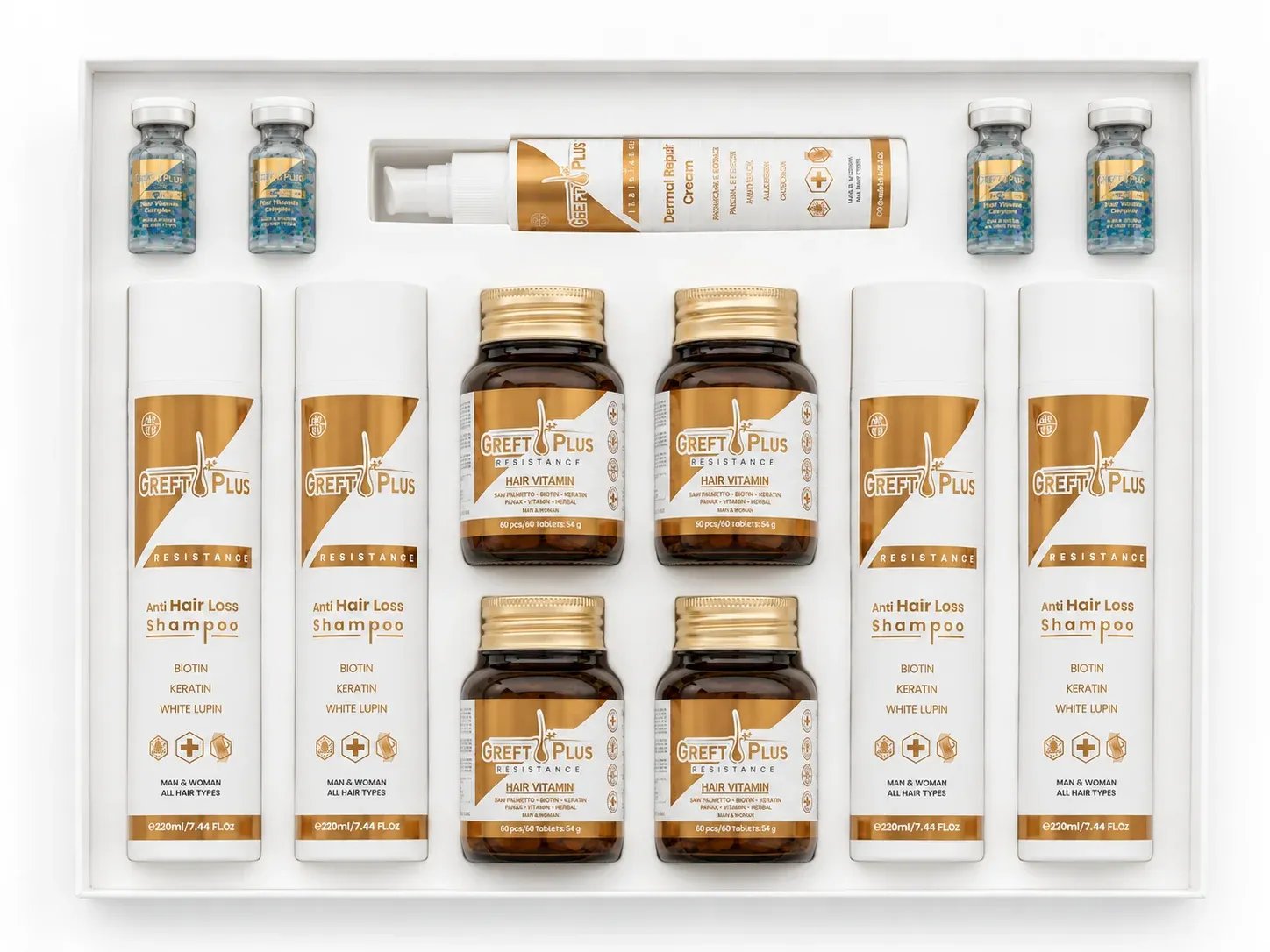
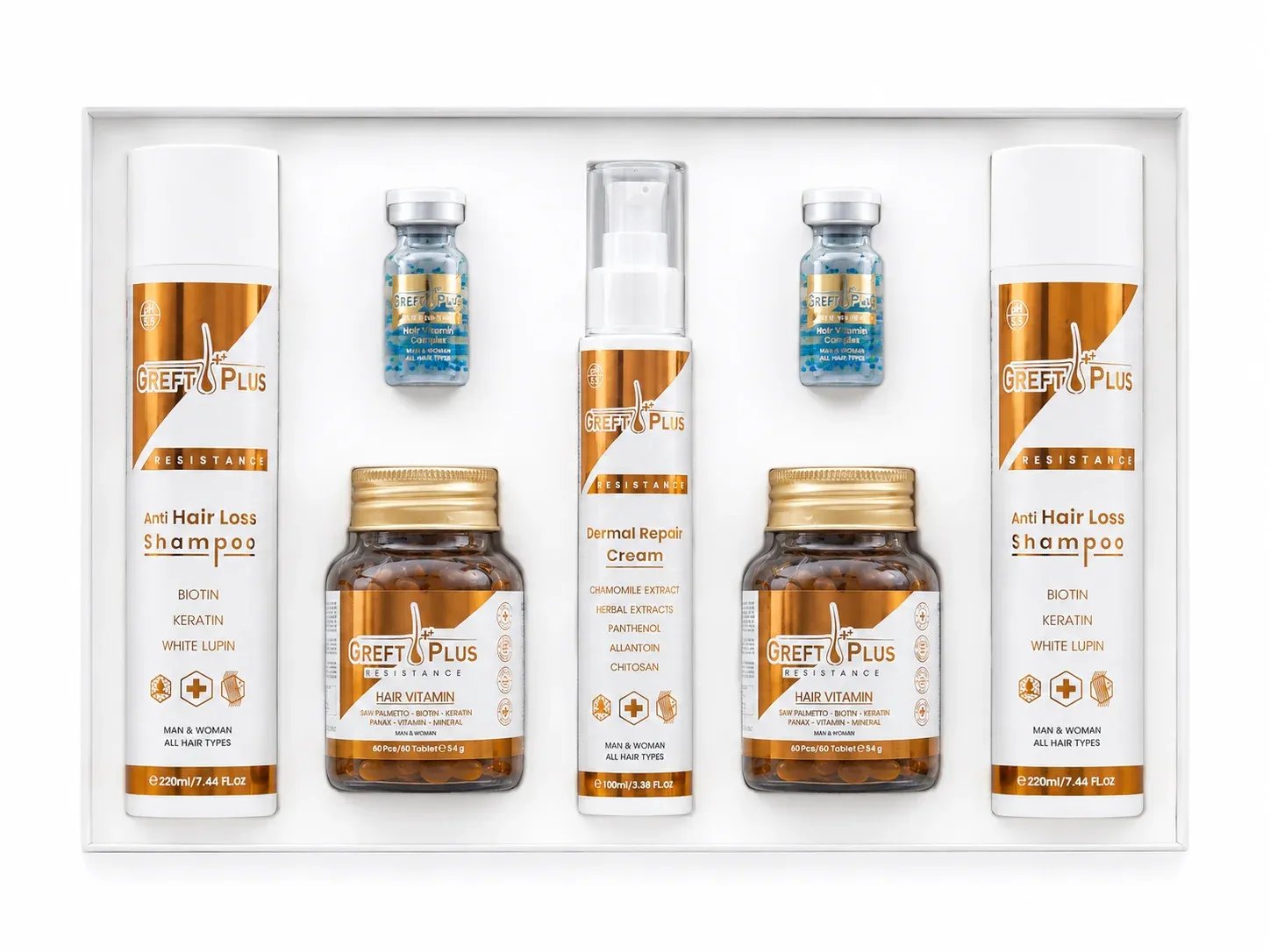
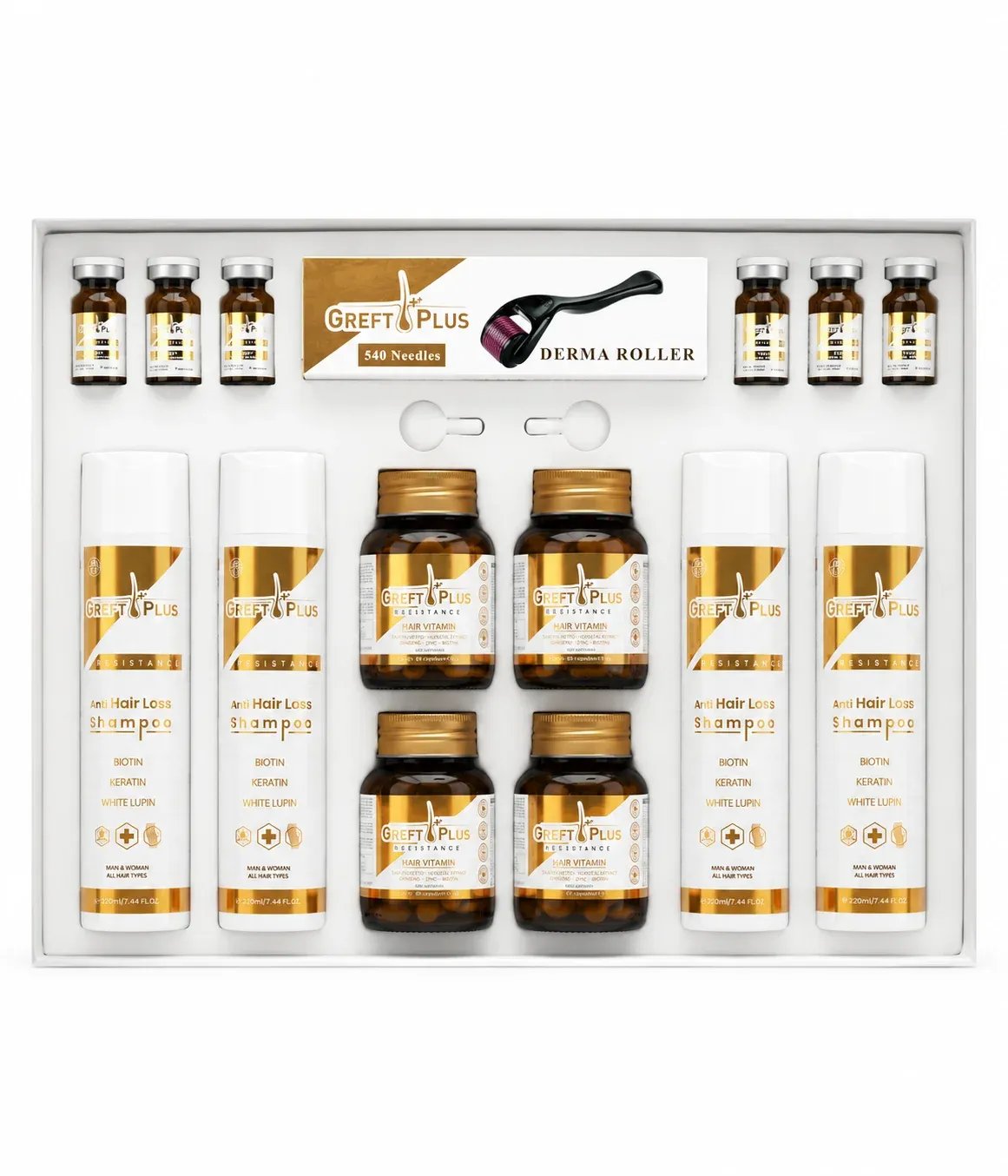
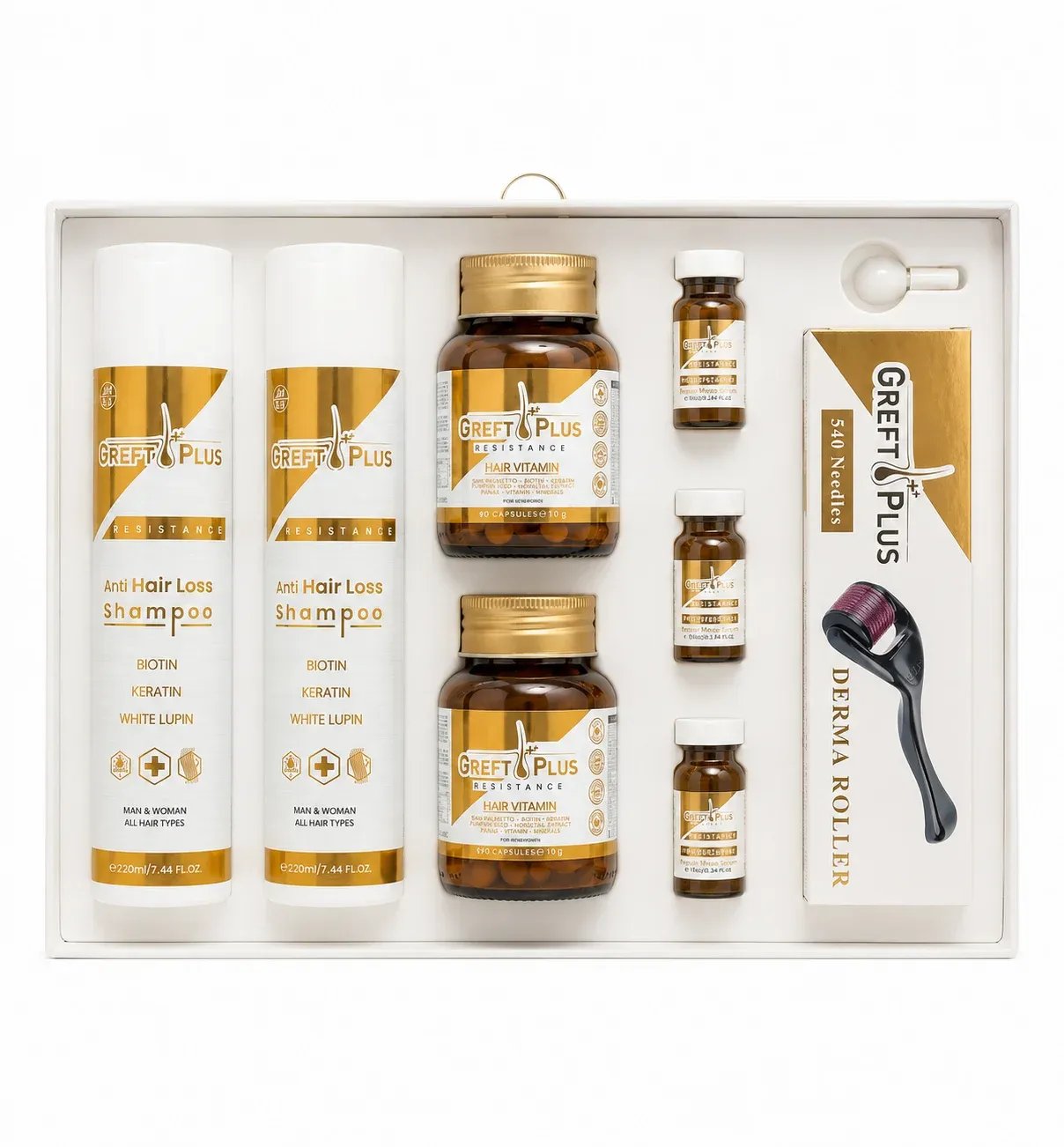
The Greft Plus vitamin is usually started around 15 days after the operation, one tablet morning and evening. That timing comes from the manufacturer - your clinic may say otherwise, and if so, follow them.
Reasonable expectations
A supplement supports the conditions for growth. It does not create follicles, reverse genetic hair loss, or substitute for a medical treatment your dermatologist has recommended. If your hair loss is progressing and you have not had it looked at, the supplement aisle is the wrong place to start.
And a practical warning: do not stack several products that each contain the same fat-soluble vitamins. More is not better, and vitamin A in particular causes hair loss in excess - the exact opposite of what the buyer wanted.